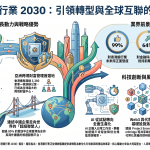
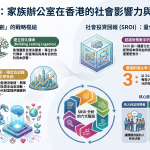
這是在廣播節目**《全民創世紀》**中,由嘉賓主持 Elisa 訪問 我 的內容摘要與深度分析。訪談指出,在「手機社群革命、AI技術爆發、以及疫情後『在家工作』常態化」的推動下,一場「全民創業」**的潮流已經悄然降臨。
1. 轉型背後的邏輯:從五金店到安老產業
我其中一個服務的家族,經歷展現了從經營五金店到成為安老院大亨的跨界奇蹟。這不僅是行業的轉變,更是從傳統商品交易模式向「以人為本」服務的深刻進化,揭示了**「利他創富」**的商業密碼。在當今 ESG 時代,解決社會痛點與實現社會價值,已成為降低信任成本並吸引優質資源的高效路徑。
2. 創業的基石:回歸於「人」
節目強調,創業最重要的基石始終是**「人」。我認為真正的成功源於「心靈富足」**,並以此吸引財富與機遇。創業者應專注於以下七大核心維度:
- 自我定位與個性: 在變動市場中尋找不可替代的角色,並建立誠信特質。
- 願景構建: 描繪具備社會貢獻意義的長遠藍圖。
- 心態與情緒管理: 在高壓與市場波動中維持平靜,確保決策不偏離理性。
- 持續學習與信任圈: 這是現代創業者在 AI 時代生存的必備內功。
3. AI 時代的生存戰術
面對技術爆發,訪談中特別提到兩項關鍵競爭力:
- 持續學習作為市場感測器: 創業者必須透過持續學習來**「把握市場先機」**,在變革發生前捕捉被忽略的市場空白。
- 建立 Trust Circle(信任圈): 在 AI 能夠自動化多數任務的時代,人與人之間的信任是無法被演算法取代的資產,也是企業最強大的防禦護城河。
4. 展望未來:2026 年的成功定義
站在 2026 年的轉折點,成功的定義正被重寫。誠如節目所探討的,未來的領先者必是那些能將**「利他精神」與「心靈富足」**轉化為具體競爭力,並在極端技術化時代仍堅守人類核心價值的創業者。
這場「全民創業」浪潮不僅是職涯選擇,更是一場關於個人價值如何與時代接軌的修行。你準備好讓你的商業模式接受 2026 年市場對「企業靈魂」的深度審視了嗎?
This is a summary and in-depth analysis of my interview with guest host Elisa on the radio program “Think Like a Founder” (全民創世紀). The interview points out that, driven by the “mobile social media revolution, the explosion of AI technology, and the normalization of ‘working from home’ in the post-pandemic era,” a wave of “Universal Entrepreneurship” has quietly arrived.
1. The Logic Behind Transformation: From Hardware Store to Elderly Care Industry
One of the families I serve experienced a cross-industry miracle, transforming from operating a hardware store to becoming an elderly home tycoon. This is not merely an industrial shift but a profound evolution from a traditional commodity transaction model to a “people-oriented” service, revealing the commercial code of “Altruistic Wealth Creation”. In today’s ESG era, solving social pain points and realizing social value has become an efficient path to reducing trust costs and attracting high-quality resources.
2. The Foundation of Entrepreneurship: Returning to “The Person”
The program emphasizes that the most important cornerstone of entrepreneurship is always “the person”. I believe true success stems from “spiritual abundance,” which serves as the foundation for attracting wealth and opportunities. Entrepreneurs should focus on the following seven core dimensions:
- Self-positioning and Personality: Finding an irreplaceable role in a changing market and establishing traits of integrity.
- Vision Construction: Mapping out a long-term blueprint with meaningful social contributions.
- Mindset and Emotion Management: Maintaining calm in high-pressure and volatile market environments to ensure decisions do not deviate from rationality.
- Continuous Learning and the Trust Circle: These are essential internal strengths for modern entrepreneurs to survive in the AI era.
3. Survival Tactics in the AI Era
Facing the technological explosion, the interview specifically highlighted two key competitive advantages:
- Continuous Learning as a Market Sensor: Entrepreneurs must “seize market opportunities” through continuous learning, capturing overlooked market gaps before major technological shifts occur.
- Building a Trust Circle: In an era where AI can automate most standardized tasks, the trust between people is an asset that cannot be replaced by algorithms and serves as an enterprise’s strongest defensive moat.
4. Looking Ahead: The Definition of Success in 2026
Standing at the turning point of 2026, the definition of success is being rewritten. As explored in the program, future leaders will be those who can transform “altruism” and “spiritual abundance” into concrete competitiveness while still upholding core human values in an era of extreme technology.
This wave of “Universal Entrepreneurship” is not just a career choice; it is a “cultivation” of how personal value connects with the era. Are you ready to let your business model undergo a deep scrutiny of the “corporate soul” by the 2026 market?